2026-06-06
Types and Uses of Valves
Types and Uses of Valves
Brief summary: Valves are the "switches" and "controllers" of the pipeline system, controlling the on-off, flow rate, direction and pressure of media (water, gas, oil, steam, etc.). Choosing the wrong valve can lead to leakage in the mild cases and explosion in the severe cases.
Divided into six categories based on function:
1. Cut-off type (open or close, no adjustment)
Gate valve
The most common type of cut-off valve. The gate plate moves vertically up and down. When fully open, the flow resistance is extremely low, and when fully closed, the seal is good. Suitable for large-diameter pipelines, used for full opening or full closing purposes. Not suitable for semi-open adjustment - when partially open, the gate plate is prone to erosion and is easily damaged. Typical scenarios: inlet and outlet pipes of water treatment plants, main pipelines of HVAC systems.
Ball valve
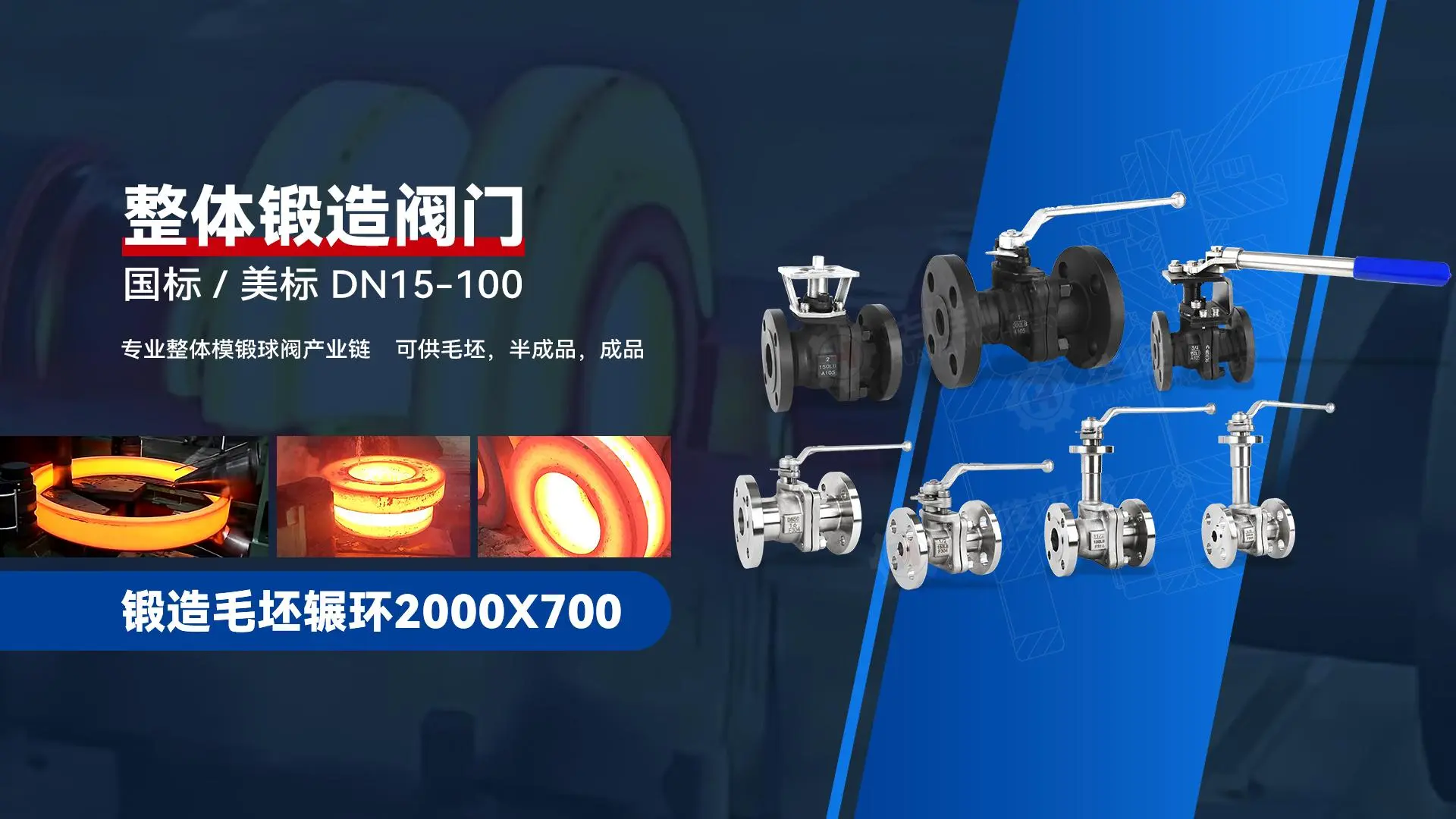
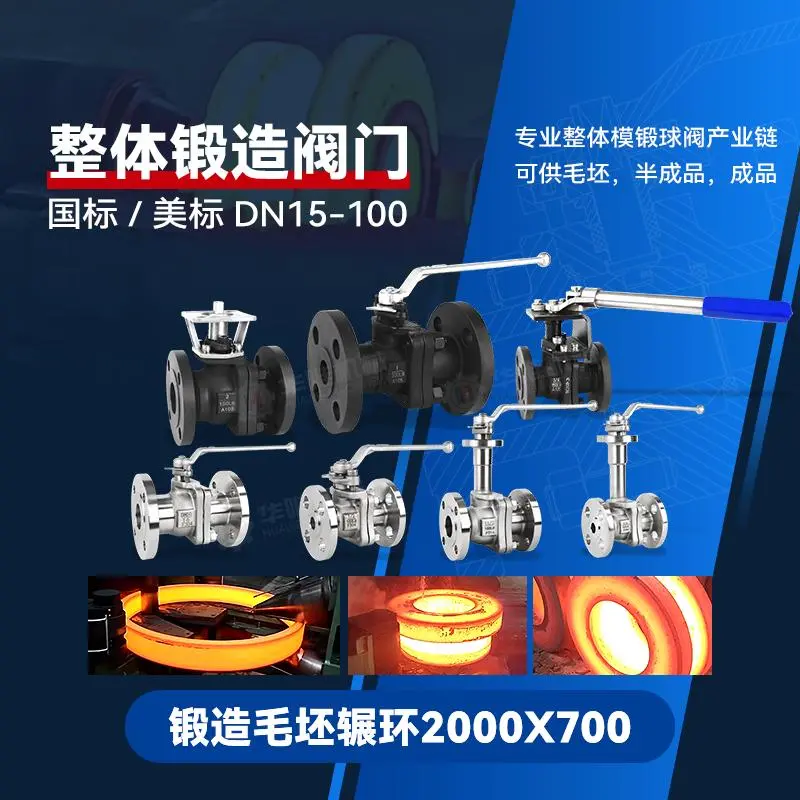
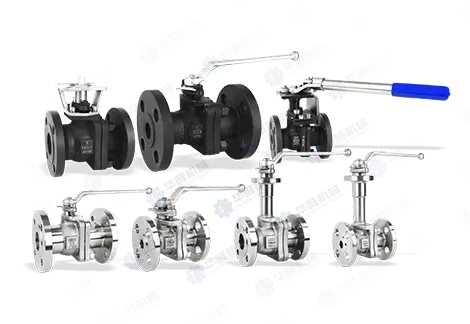
The sphere rotates 90 degrees to achieve the switch function. It has excellent sealing performance, fast switching speed and a small size. It is one of the most widely used valves at present. It is suitable for situations requiring quick cutoff and can also be used for regulation. Typical scenarios: natural gas pipelines, fire protection systems, and main water valves in households.
Stop valve (cock)
Its structure is similar to that of a ball valve, but it uses a conical plug that rotates. It is resistant to high temperatures and has good sealing performance, but it is not suitable for large diameters. Typical applications: small steam pipelines, laboratory piping.
Butterfly Valve
The disc rotates around the central axis, opening fully at 90 degrees. It has a small size, light weight, and low cost, and is particularly suitable for large diameters (DN600 and above). It can be used for both cutting off and regulating. Typical applications: ventilation ducts, cooling water systems, sewage treatment.
II. Regulating Type (Controlling Flow Size)
Stop Valve
The valve disc moves up and down along the center line of the valve seat, changing the flow area. It has high regulating accuracy and good sealing performance, but the flow resistance is greater than that of the gate valve. It is the most commonly used regulating valve. Typical scenarios: steam pipelines, process pipelines requiring precise control of flow.
Needle valve
A "miniature version" of the stop valve, the valve needle is very thin and can achieve extremely precise flow regulation. Typical applications: instrument piping, laboratory gas lines, hydraulic systems.
Regulating ball valve / Regulating butterfly valve
By adding an electric or pneumatic actuator to the ordinary ball valve or butterfly valve, remote automatic regulation of flow can be achieved. Typical applications: HVAC water systems, chemical process control.
III. Check Valves (allowing flow in only one direction)
Lift type check valve
The valve disc rises and falls automatically due to its own gravity and the pressure of the medium. It has good sealing performance, but can only be installed on horizontal pipelines. Typical application: at the outlet of a water pump, to prevent water from flowing back and damaging the impeller after the pump stops.
Swing-check valve
The valve disc rotates around the axis to open, with low resistance. It can be installed in both horizontal and vertical pipelines. Typical applications: large-diameter water supply pipes and drainage pipes.
Butterfly type check valve (double flap)
The two valve flaps are closed by the spring force. It has a small size, light weight and fast response. Typical applications: outlet of fire pump, compressed air pipeline.
IV. Safety Protection Category (Automatic Protection System)
Safety Valve (Pressure Relief Valve)
When the system pressure exceeds the set value, it automatically pops open to relieve pressure, preventing equipment explosion. It is a mandatory component for boilers and pressure vessels. Typical scenarios: steam boilers, compressors, gas storage tanks.
Pressure reducing valve (pressure stabilizing valve)
Automatically reduces the high inlet pressure to a stable outlet low pressure. Regardless of fluctuations in the upstream pressure, the downstream pressure remains basically unchanged. Typical scenarios: gas station outlet, water supply for high-rise buildings (reducing pressure to supply each floor), laboratory gas source.
Steam trap (condensate trap)
Automatically removes condensate from steam pipelines while preventing steam leakage. Incorrect selection can lead to water hammer or steam waste. Typical scenarios: all steam pipelines - HVAC, food processing, paper manufacturing. Common types include float type, thermal dynamic type, and thermal static type.
V. Special Medium Types (for corrosive, highly toxic, and highly clean applications)
Diaphragm Valves
The medium is separated from the valve body by a rubber or plastic diaphragm, and the medium only comes into contact with the diaphragm. Resistant to strong corrosion and with zero leakage. Typical applications: pharmaceuticals, food, semiconductor ultra-pure water, strong acids and strong bases pipelines.
Fluorine-coated valve (PTFE-lined valve)
The valve body is lined with polytetrafluoroethylene (PTFE), which is resistant to almost all chemical corrosion. Typical application scenarios: harsh chemical corrosion conditions in the chemical industry.
Electromagnetic valve
It is driven by an electromagnetic coil to switch the valve core, allowing for remote automatic control with a fast response. Typical applications include automatic control systems, fire linkage, and irrigation systems. It is available in both normally open and normally closed types.
The core logic of the selection valve
First, ask three questions:
First, should we truncate or adjust? For truncation, we choose gate valves, ball valves, and butterfly valves; for adjustment, we choose stop valves and needle valves.
Secondly, what is the medium? For clean water, cast iron valves will suffice; for steam, cast steel or stainless steel can be used; for highly corrosive substances, fluorine-lined or diaphragm valves can be employed; for food and medicine, stainless steel with hygiene grade can be selected.
Thirdly, what is the diameter? For small diameters (less than DN50), stop valves and ball valves are preferred; for large diameters (above DN300), butterfly valves and gate valves are preferred.
Summary of the sentence:
Valves are the "entrance and exit points" of pipelines. There are over 3,000 types of valves, but in daily use, 90% of scenarios involve only a few types: gate valves and ball valves for cutting off, globe valves for regulation, check valves for preventing backflow, safety valves and pressure reducers for safety protection, and diaphragm valves and solenoid valves for special media. Choosing a valve is not about choosing the expensive one, but about choosing the right one.